2020-2022 · Senior Structural Engineer · Robert Bird Group
Structural Engineering Automation
I taught myself Python while working as a structural engineer, first to analyse output from Microstran models, then to build the tools that removed the slowest manual steps in crane analysis and lifting chart drafting.
- Python
- Automation
- Grasshopper
- Microstran
- Crane Analysis
Overview
I taught myself Python while working as a structural engineer. It started with the data coming out of Microstran, which I was reading through by hand, and turned into a habit of treating anything repetitive as a problem worth solving in code.
The first real tool was a Python desktop app that handled the Microstran data output for crane analysis. It cut the time spent on that task by 67% and saved around £18k a year.
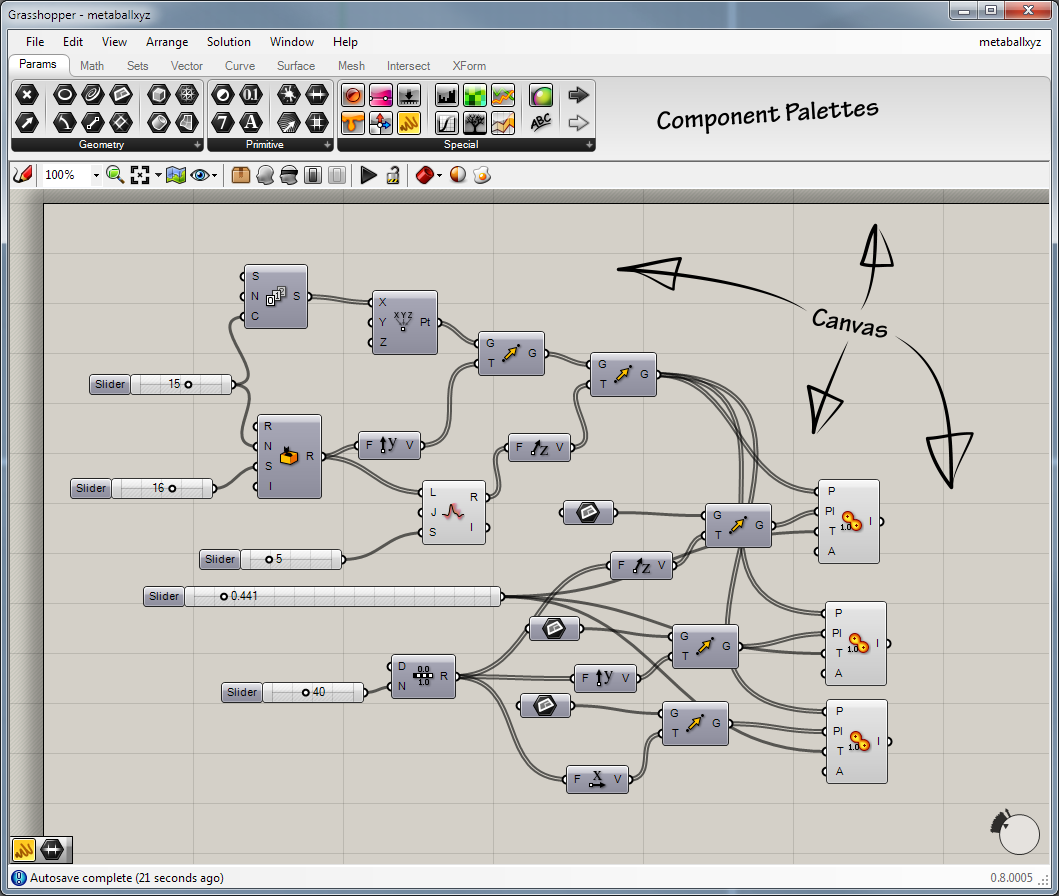
I then moved into Grasshopper, building tower crane steel grillage models and pulling out the reaction loads on the supporting permanent structure. That gave the other designers on the project the numbers they needed without a round of manual rework. The same plugin generated lifting capacity charts end to end, halving manual drafting time and saving £25,000 a year.
The appeal was never the syntax. It was pulling a messy manual process apart into steps a machine could take over, then getting the tedious work off my plate so I could spend the time on the harder engineering problems. That is where the move into software started.
Highlights
- Self-taught Python for Microstran model data analysis, then for bespoke automation tools.
- Built a Python desktop app that cut crane analysis data output time by 67%, saving £18k a year.
- Modelled tower crane steel grillages in Grasshopper and output reaction loads for the permanent structure designers.
- Automated lifting capacity chart generation, halving manual drafting time and saving £25,000 a year.